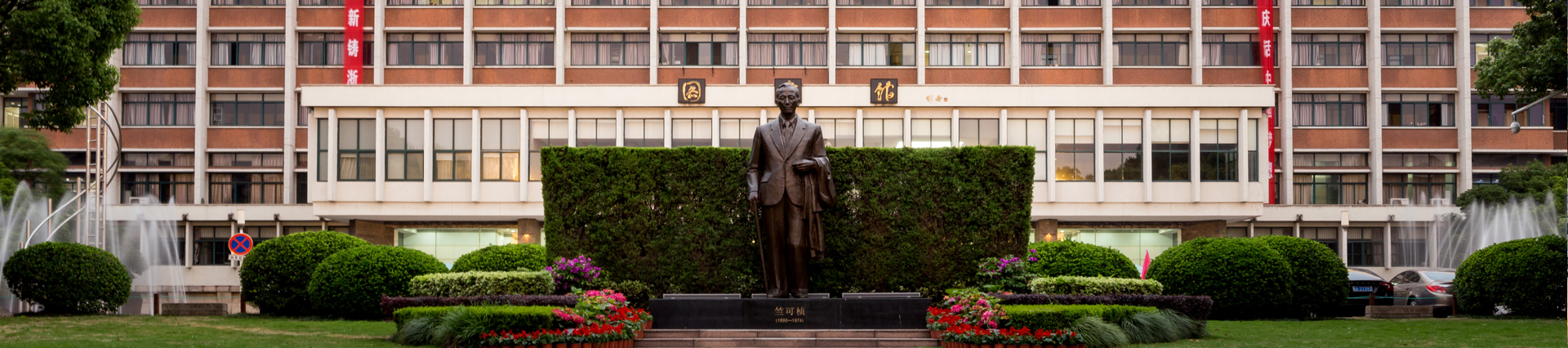
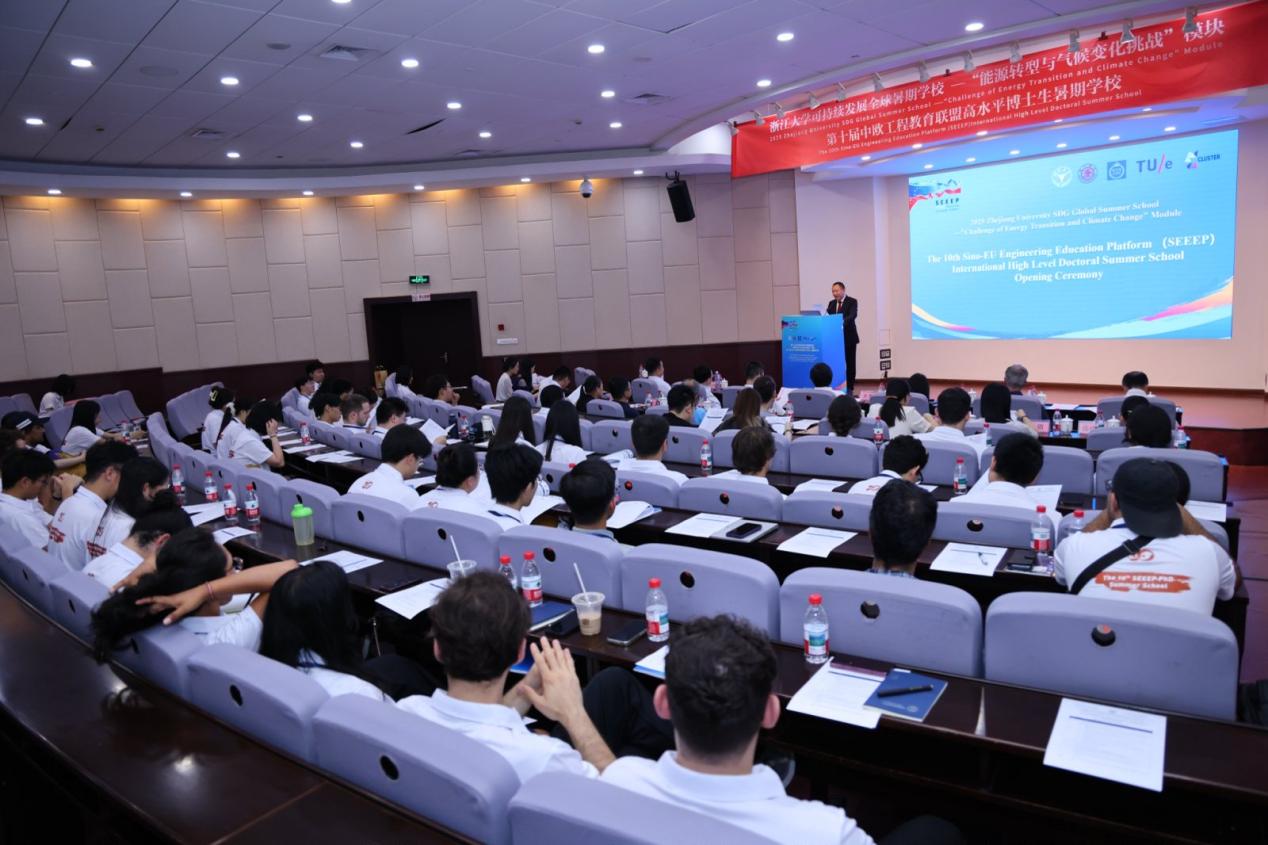
The 2025 Zhejiang University Graduate International Summer School successfully hosted the 10th Sino-EU Engineering Education Platform (SEEEP) International High-Level Doctoral Summer School. The Zhejiang University segment, organized by the College of Energy Engineering, was held from August 17 to 24 at the university's Yuquan and Haining campuses. The program then continued with its Shanghai segment from August 24 to 30, hosted by the School of Mechanical and Power Engineering at Shanghai Jiao Tong University.
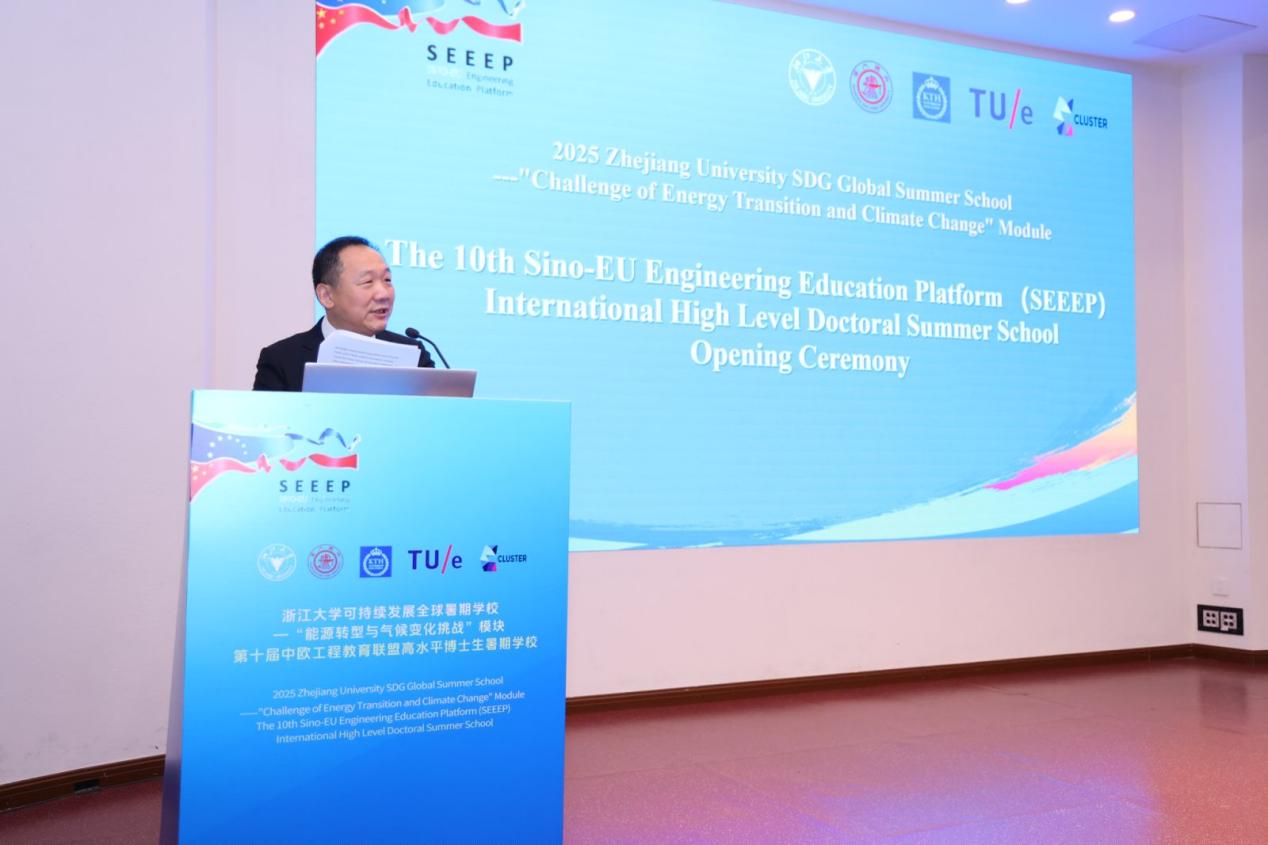
Professor Yu Zitao from Zhejiang University's College of Energy Engineering introduced the summer school, outlining its coretheme: "Energy, Industry, and AI: Affordable Energy and Technology Transition." The program featured joint instruction by Chinese and European experts, who presented cutting-edge teaching content and research findings in the energy sector, helping students grasp the industry's current landscape and futuretrajectory.
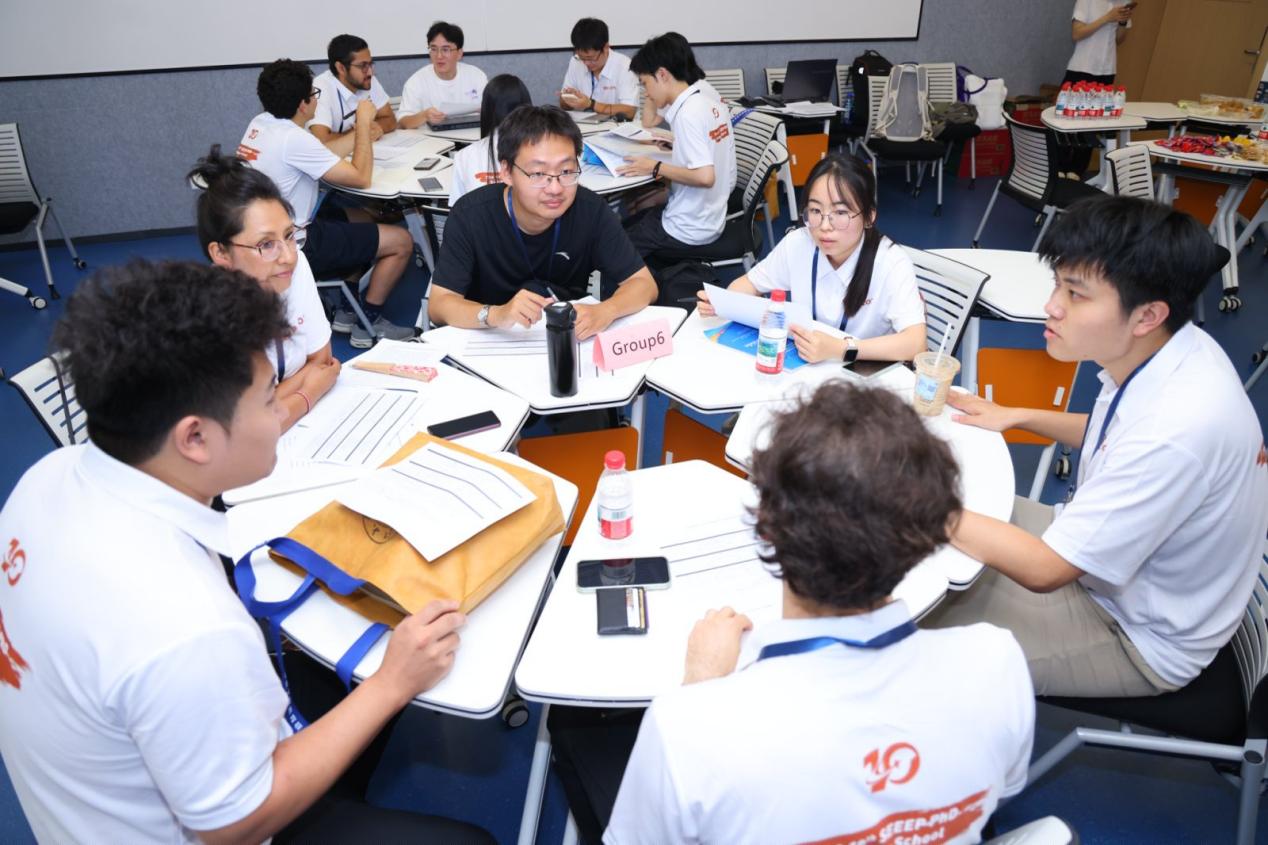
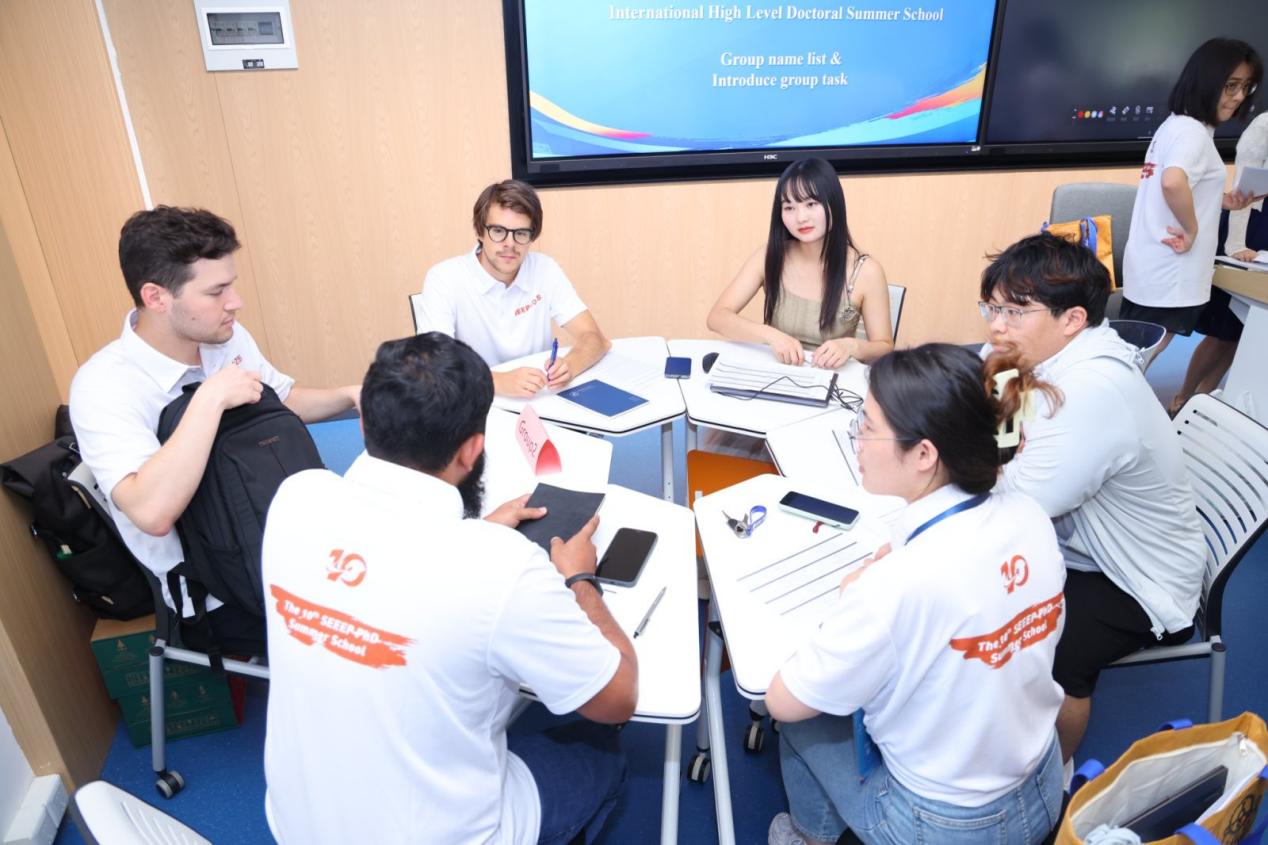
Over 40 doctoral students from more than ten universities across China and Europe participated. Under the guidance of faculty mentors, students formed groups for in-depth study and discussion on specific topics. These included energy production and consumption, renewable energy technologies, sustainable development, energy storage, as well as energy networks and conversion. Through this collaborative process, students practiced interdisciplinary communication and cross-cultural teamwork, developing research ideas and successfully completing their final presentationreports.
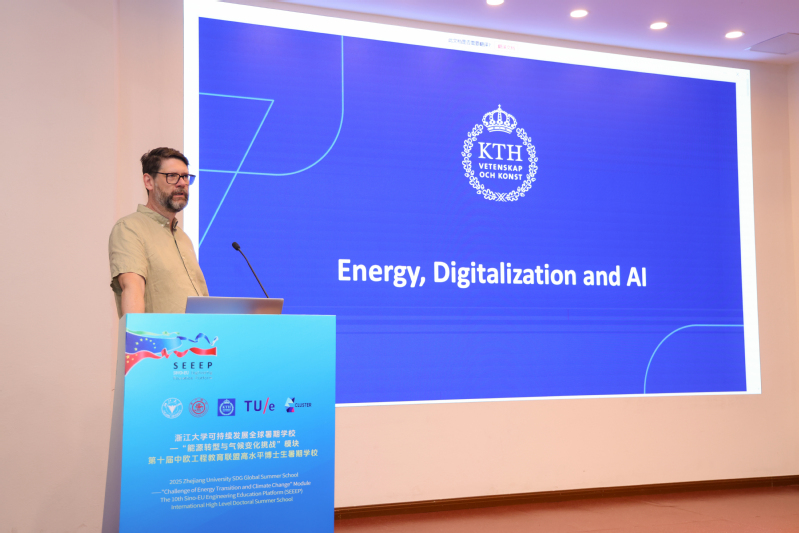
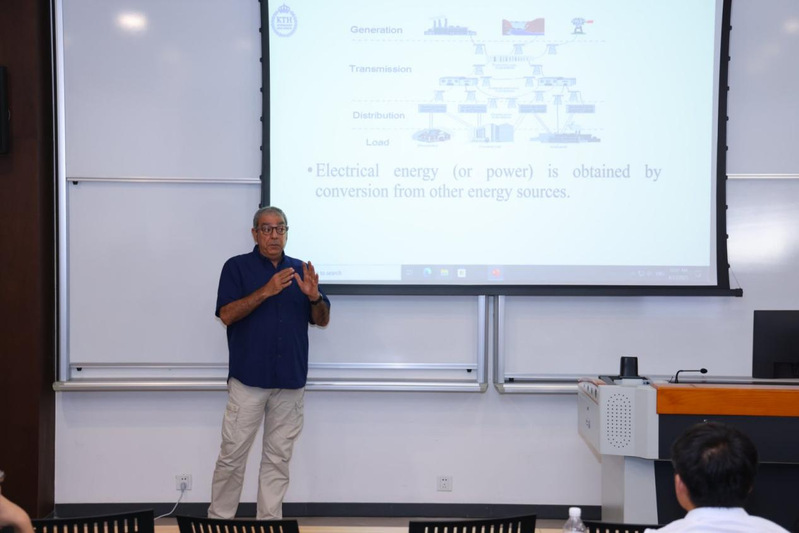
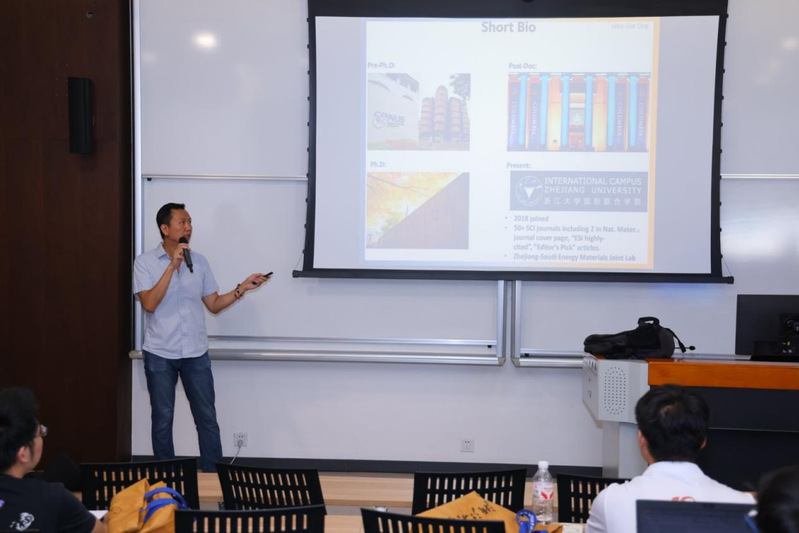
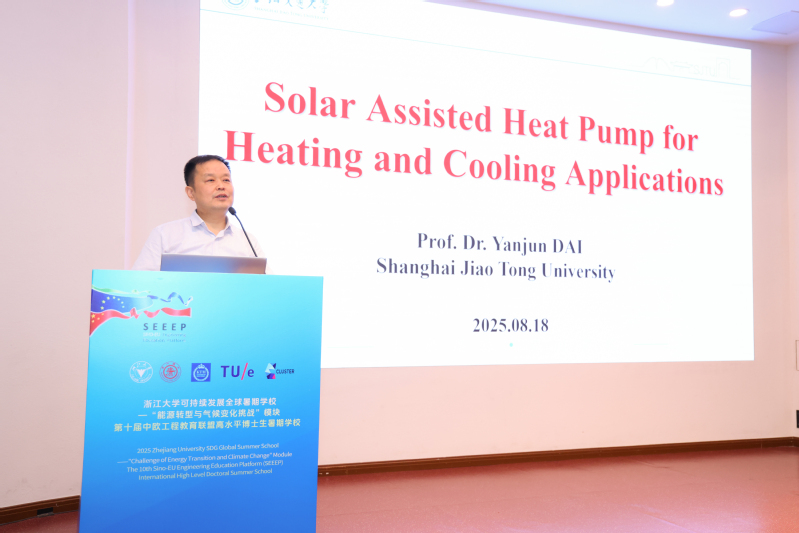
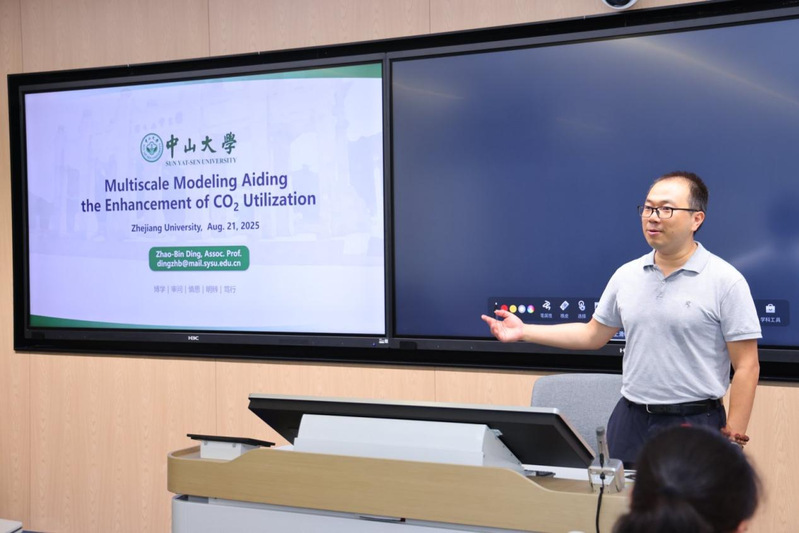
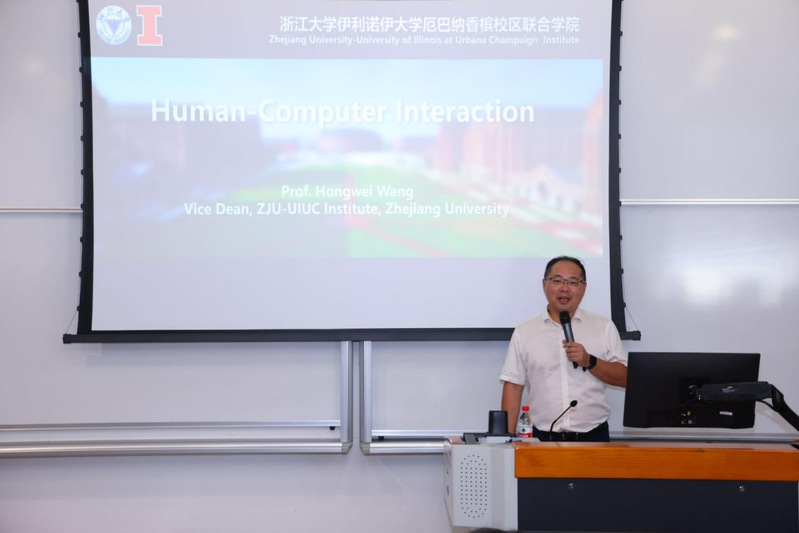
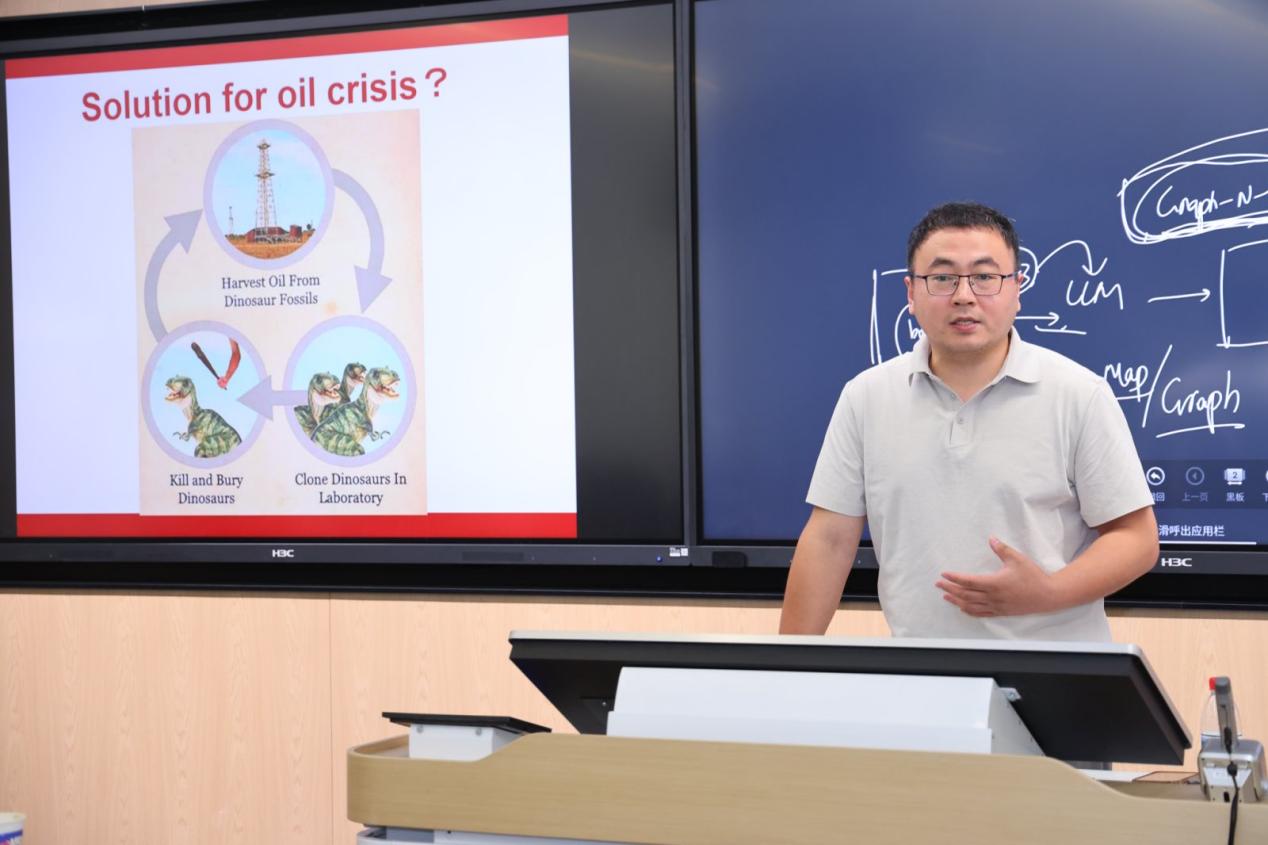
The Zhejiang segment combined academic lectures, technical visits, and cultural activities. Renowned experts delivered special reports on frontier topics such as power production scheduling and storage, pathways to zero-carbon emissions, and AI applications in the energy sector. Speakers included Professors Björn Laumert and Mehrdad Ghandhari Alavijh from KTH Royal Institute of Technology, Professor Dai Yanjun from Shanghai Jiao Tong University, and experts from Zhejiang University: Professor Wang Hongwei, Professor Wang Zhihua, and Researchers Wee-Liat Ong, Wang Kaige, Wu Yingchun, and Lin Xiaojie. Associate Professor Ding Chaobin from Sun Yat-sen University also contributed. Students engaged in lively and insightful discussions with the speakers.
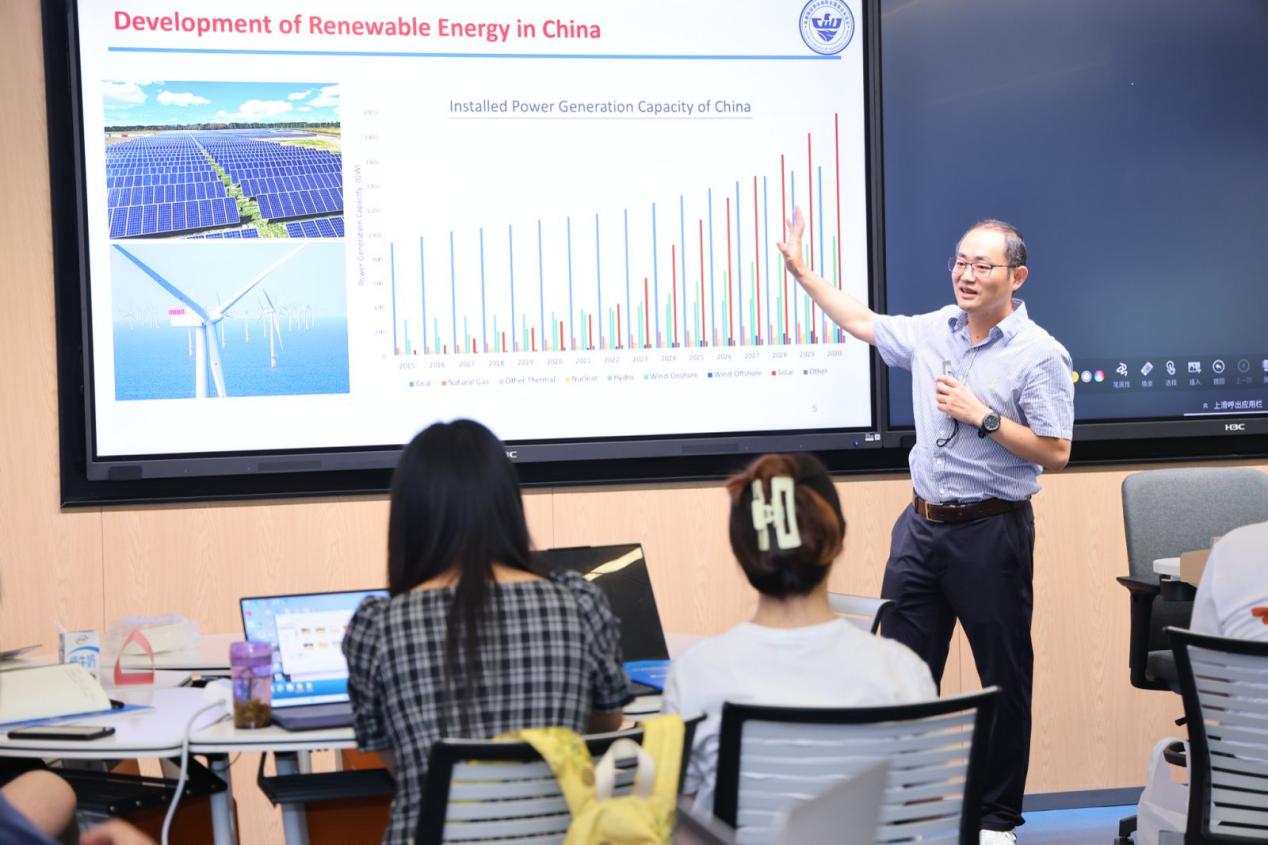
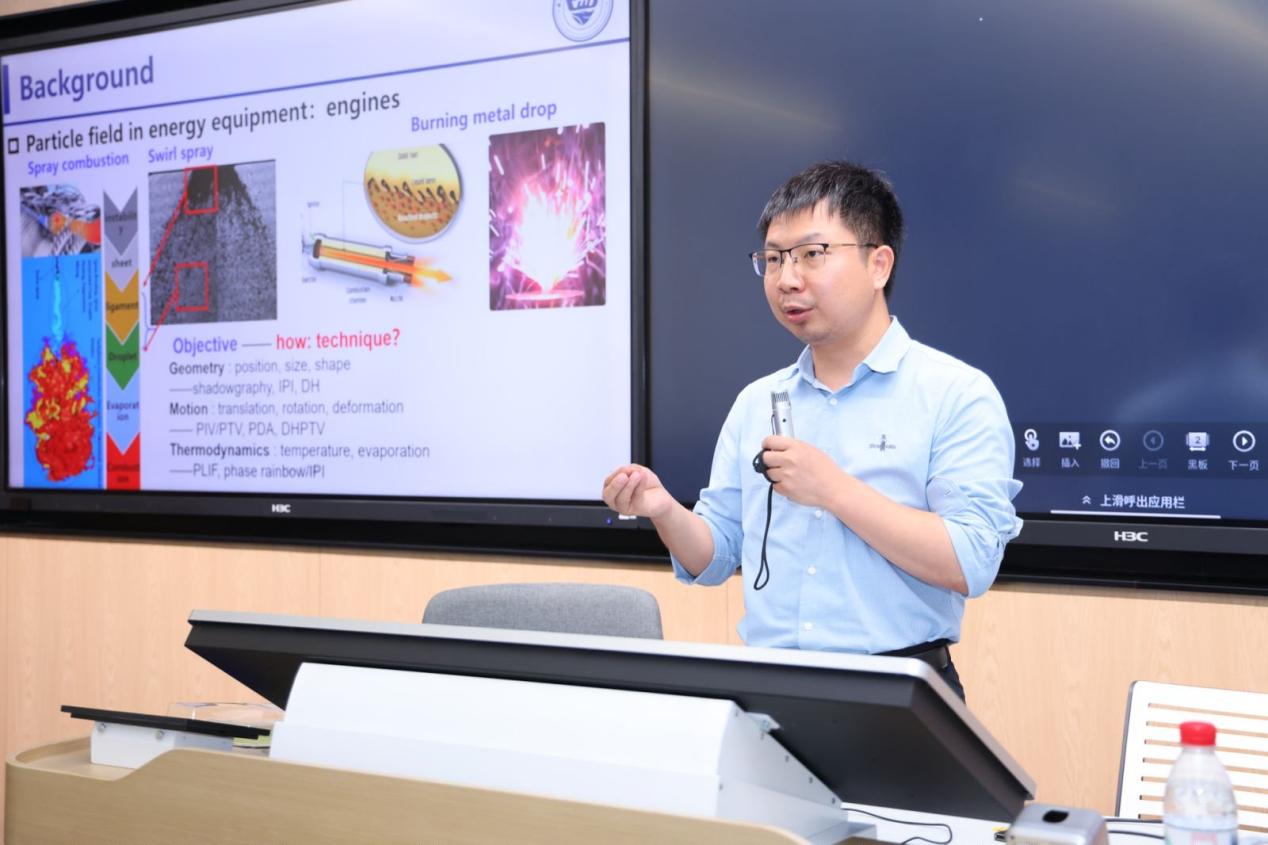
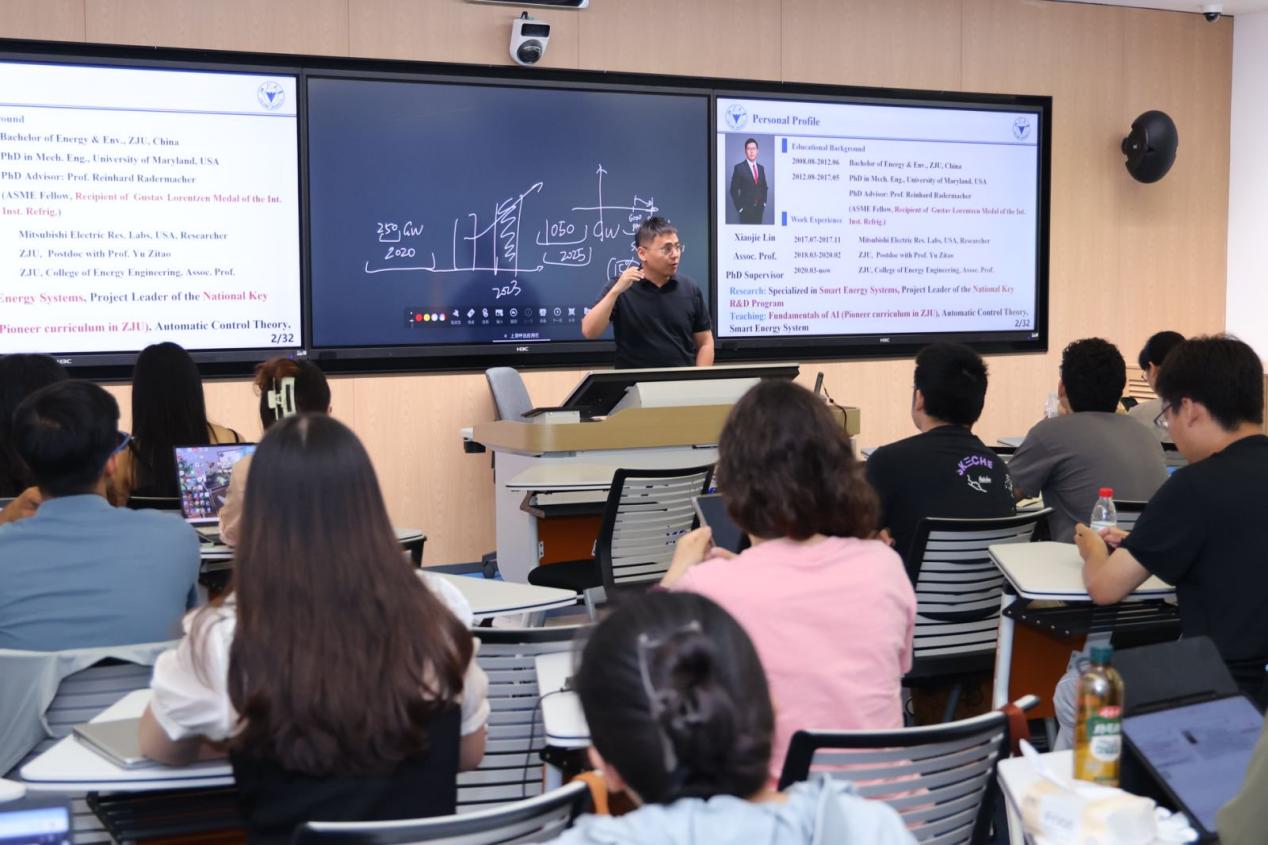
Participants also visited leading enterprises and cultural sites, including DeepRobotics, Qingshan Village, CHINT New Energy, Guanghe Zhigu Ecological Agriculture, and the Yanguan Tide Viewing City. These visits facilitated active exchanges, allowing students to connect advanced technologies with distinctive aspects of Chinese culture and local life. Students shared their learning experiences and reflections gained throughout the summer school.
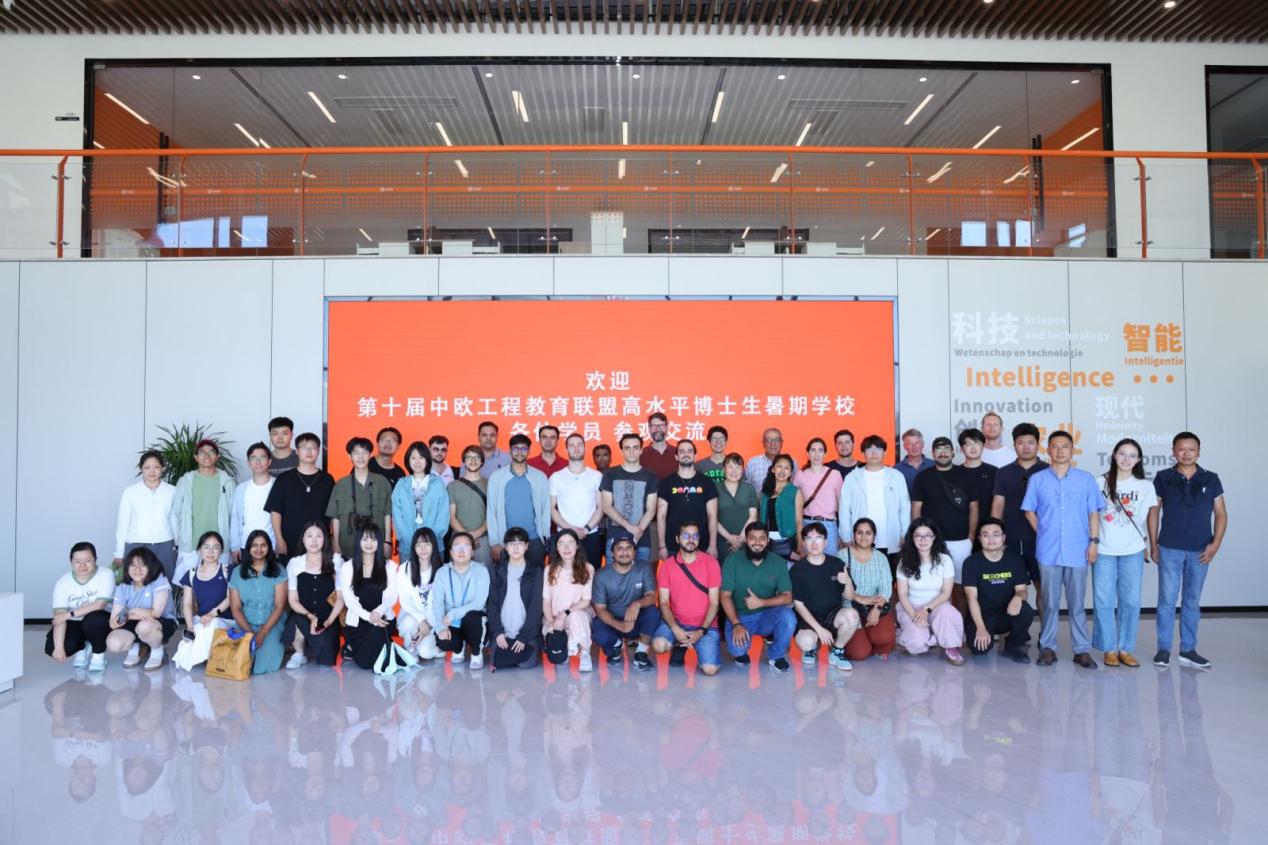
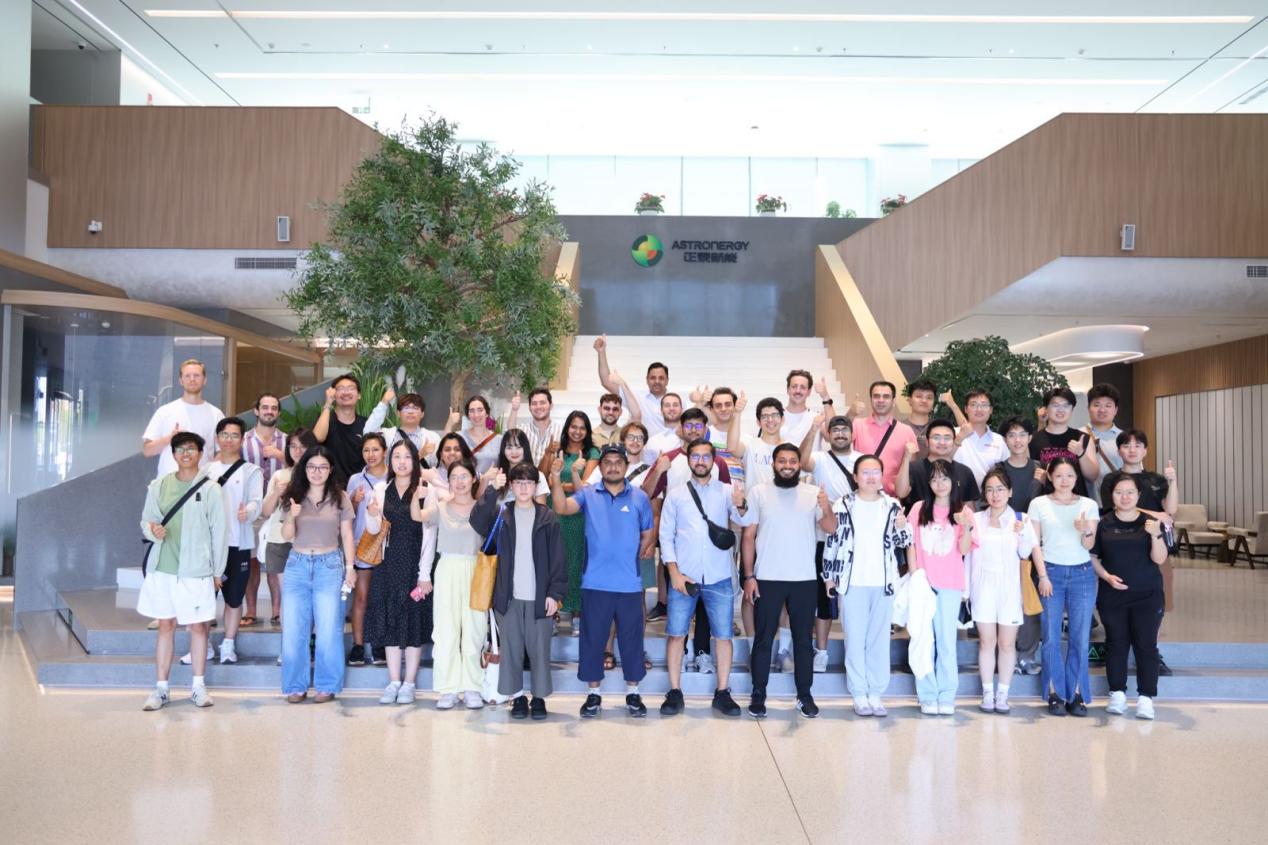
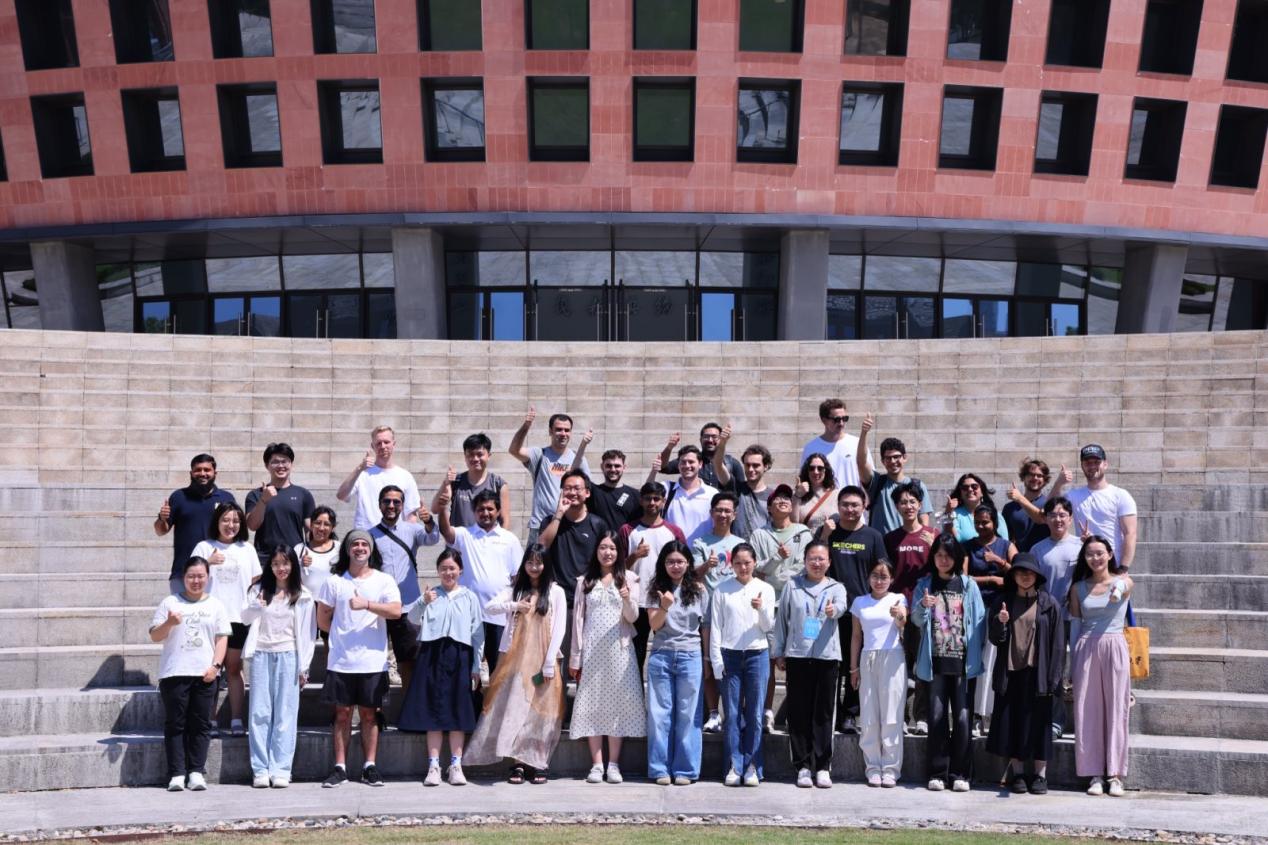
The Zhejiang segment concluded successfully on the morning of August 24. Upholding the principle of sharing high-quality graduate education resources and leveraging the university's disciplinary strengths and industry influence in the energy field, this summer school has established a high-level, multi-dimensional academic exchange platform. It effectively broadens students' academic horizons and stimulates innovative thinking in energy-related fields.